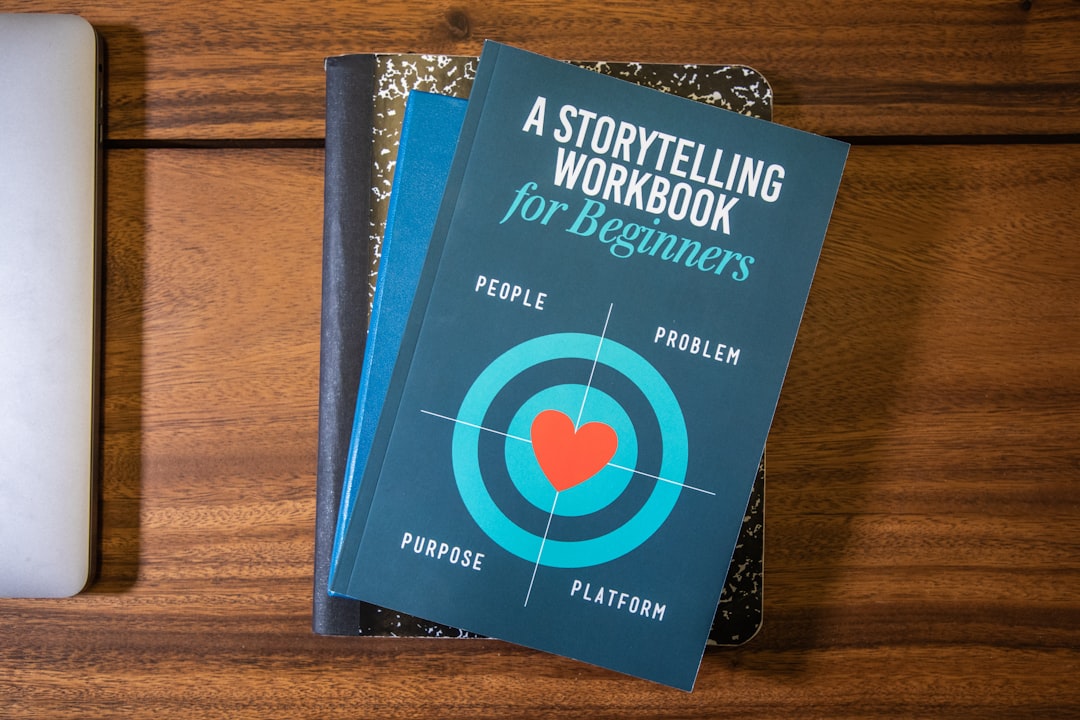
As a solopreneur, crafting compelling content is a cornerstone of your business success. You’re not just selling a product or service; you’re building a brand, a personal story that resonates with your audience. Storytelling is the secret sauce that can transform your content from mundane to magical. In this guide, we’re diving into storytelling techniques that you can use to create engaging content and connect with your audience on a deeper level.
Why Storytelling Matters for Solopreneurs
Stories are powerful tools because they tap into our emotions and make information relatable. For solopreneurs, storytelling is a way to differentiate yourself in a crowded market. It helps you establish a personal connection with your audience and makes your message memorable. When your audience feels connected to your story, they are more likely to trust you and, ultimately, buy from you.
Elements of a Compelling Story
Every great story has certain elements that make it compelling. Let’s break these down so you can start crafting stories that captivate your audience:
1. A Relatable Hero
In your story, the hero is often you or someone your audience can identify with. This hero faces challenges and triumphs that resonate with your audience’s experiences. By sharing your journey as a solopreneur, including both successes and setbacks, you become a relatable figure that your audience can root for.
2. A Clear Conflict
Every story needs a conflict or challenge. This could be the problem your business aims to solve or a personal struggle you overcame. Highlighting these conflicts not only adds tension to your story but also showcases your resilience and creativity in finding solutions.
3. A Transformative Journey
Your story should take your audience on a journey, showcasing transformation and growth. This can be your personal evolution as an entrepreneur or the positive impact your product or service has had on your customers. A well-crafted journey keeps your audience engaged and rooting for your success.
4. A Satisfying Resolution
Wrap up your story with a resolution that provides closure and emphasizes your key message. This could be the successful launch of your business, achieving a significant milestone, or a customer testimonial that highlights the value of your offering.
Practical Storytelling Techniques for Your Content
Now that you understand the elements of a compelling story, let’s explore how you can incorporate these into your content marketing strategy:
1. Use Personal Anecdotes
One of the simplest ways to begin storytelling is by sharing personal anecdotes. These stories humanize your brand and create a sense of authenticity. For example, if you’re launching a new product, share the challenges you faced during development and how you overcame them.
2. Create Customer Success Stories
Customer success stories are powerful testimonials that showcase the real-world benefits of your offerings. Highlight how your product or service solved a customer’s problem and the impact it had on their life or business. This not only builds credibility but also provides social proof.
3. Use Visual Storytelling
Incorporate visuals like images, infographics, and videos to enhance your storytelling. A picture is worth a thousand words, and videos can convey emotions and messages more effectively than text alone. Use visuals to support your narrative and make it more engaging.
Examples of Storytelling in Action
Let’s look at a couple of examples to see how storytelling can be effectively used in solopreneurship:
Example 1 — The Journey of a Digital Product Launch
Imagine you’re a solopreneur who has developed a new SaaS tool. Share the story of your journey, from the initial idea to the challenges of development, beta testing, and finally, the successful launch. Include the emotions and lessons learned along the way to connect with other budding entrepreneurs.
Example 2 — A Customer’s Transformation
Feature a customer who used your service to overcome a specific challenge. Describe their initial situation, the solution you provided, and the transformation they experienced. This not only showcases your product’s value but also inspires others to see what’s possible.
Take Action — Tell Your Story
It’s time to put these storytelling techniques into practice. Start by identifying the key stories you want to share about your solopreneur journey and your business. Don’t be afraid to be vulnerable and show the human side of your brand. Remember, your story is unique, and that uniqueness is your strength.
For more insights and tools to enhance your content marketing strategy, check out SoloMarketing. Embrace storytelling, and watch how it transforms your content into a powerful tool for connection and growth.
Photo by Rain Bennett on Unsplash