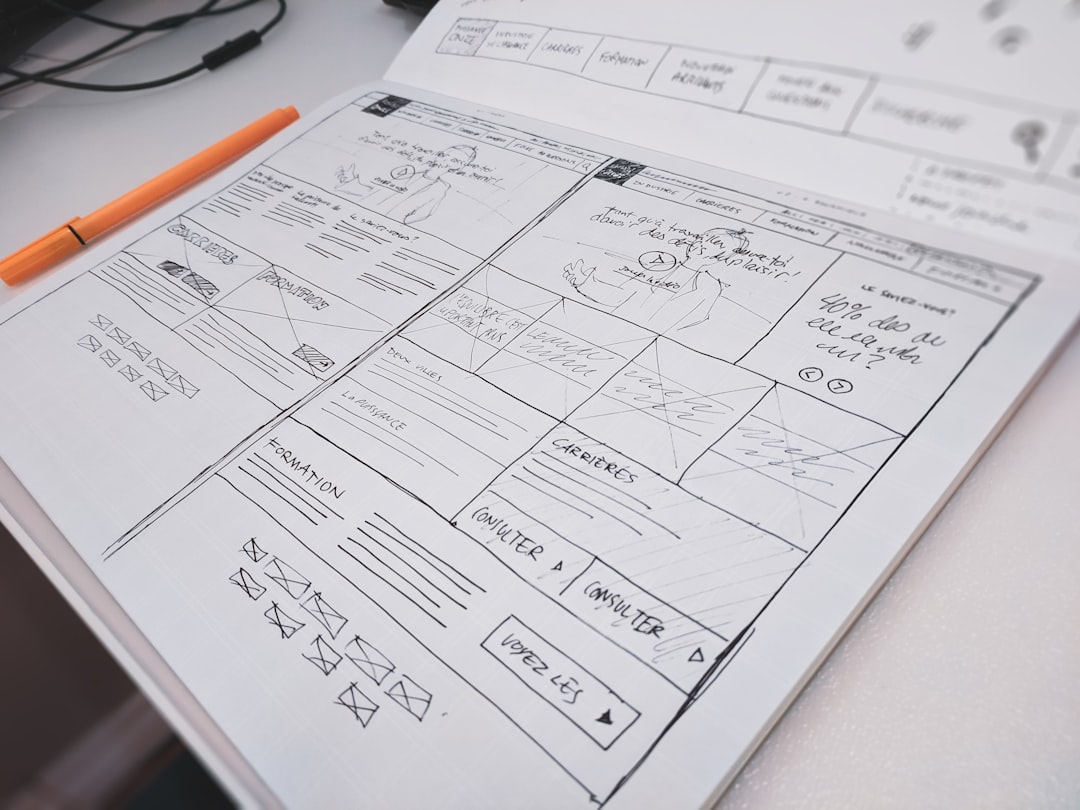
Starting a solopreneur business is a thrilling journey, but without a solid business plan, it’s like setting sail without a map. If you’re a solopreneur aiming to transform your idea into a sustainable business, crafting a business plan tailored to your solo endeavor is essential. Let’s dive into the steps to create a roadmap that fits your unique one-person operation.
Understanding the Purpose of Your Business Plan
A business plan for a solopreneur isn’t just a document to secure funding—it’s your strategic guide. It’s where you articulate your business vision, outline your goals, and plot the course to achieve them. Think of it as both a planning tool and a performance benchmark. It helps you stay focused, measure progress, and pivot when necessary.
Step-by-Step Guide to Your Solopreneur Business Plan
1. Define Your Vision and Mission
Start by asking yourself: What is the primary goal of my business? Your vision is the long-term picture of what you want to achieve, while your mission is the roadmap to get there. For instance, if you’re launching an online consulting service, your vision might be to empower small businesses with affordable digital marketing strategies, while your mission could focus on delivering concise, actionable advice through webinars and one-on-one consultations.
2. Analyze Your Market
Understanding your market is crucial. Identify your target audience and study their needs, preferences, and pain points. Research your competitors to see what they offer and how you can differentiate yourself. A solopreneur in the handmade jewelry niche might find that competitors focus heavily on design variety, whereas you could emphasize sustainability and unique custom pieces.
3. Outline Your Business Model
How will your business make money? Define your revenue streams—be it product sales, subscription models, or service fees. If you’re considering a SaaS product, think about pricing tiers that cater to different customer segments, allowing flexibility and scalability as your user base grows.
4. Develop a Marketing Strategy
Your marketing plan should align with your business goals and target audience. Consider leveraging content marketing by starting a blog, creating valuable social media content, and using email newsletters to build a community. For example, a solopreneur offering fitness coaching might blog about health tips, share client success stories on Instagram, and offer free workout guides through email to attract and retain clients.
5. Set Realistic Goals and Milestones
Break down your vision into actionable steps with clear, measurable goals. Use SMART criteria—Specific, Measurable, Achievable, Relevant, Time-bound. For instance, if you’re launching a digital product, set a milestone to complete product development within three months and aim to generate a specific amount of revenue in the first quarter after launch.
6. Financial Planning
Even as a solopreneur, understanding your finances is crucial. Create a basic financial plan, including startup costs, projected income, and expenses. Use tools like spreadsheets to track cash flow. If you’re bootstrapping a content creation business, your expenses might include software subscriptions, marketing costs, and personal living expenses until your business becomes profitable.
7. Risk Assessment and Contingency Planning
Every business faces risks. Identify potential challenges and develop contingency plans. What will you do if you face a cash flow problem or a major client cancels a contract? Having a backup plan helps you remain resilient and adaptable. Consider setting aside an emergency fund or diversifying your income streams to mitigate risks.
Bringing Your Plan to Life
Once your business plan is in place, it’s time to execute. Regularly review and update your plan to reflect changes in the market or your business environment. Remember, your business plan is a living document. As you grow and learn, your plan should evolve with you.
Real-Life Example — Jane’s Journey
Take, for example, Jane, a solopreneur who started a graphic design business. She meticulously crafted her business plan, focusing on delivering custom designs for small businesses. By identifying her niche and leveraging her unique style, she quickly gained a loyal client base. Her marketing strategy included showcasing her portfolio on social media and offering free design audits for new clients. Jane’s clear business plan and flexible approach allowed her to grow her business steadily, reaching her income goals within a year.
Creating a solopreneur business plan might seem daunting, but it’s your blueprint for success. With a clear vision, strategic planning, and the flexibility to adapt, you can navigate the challenges of solopreneurship and build a thriving one-person business. Ready to start planning your journey?
Photo by Compagnons on Unsplash
Leave a Reply